
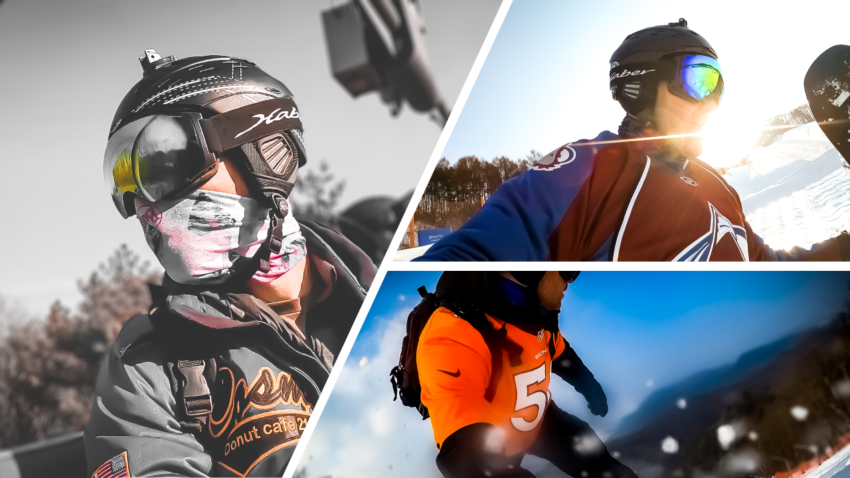
As someone who grew up on the slopes in the Rocky Mountains, snowboarding in South Korea surprised me in a great way. I arrived expecting a rather novel experience, but what I found was unexpected: classy resorts, efficient infrastructure, and a snow culture that blends intensity with precision. For U.S. military members stationed overseas, or solo travelers just passing through, snowboarding in South Korea offers a unique experience that you should experience before you PCS. You’ll get fairly reliable winter conditions, modern resorts, and deep cultural immersion without having to fly to Japan or across the globe.
I’d compare snowboarding in South Korea to that of the east coast in the U.S. In short: expect fairly packed & icy conditions from the mass amounts of man-made snow. However, what makes snowboarding in South Korea compelling is the accessibility and affordability. Resorts sit just hours from Seoul, transportation runs smoothly, and rentals come in high quality. Even solo travelers can plan a full trip without stress. Add in affordable lodging, incredible food, and late night resort energy, and the experience feels effortless!
I created this curated guide to walk you through where to go snowboarding in South Korea. I hope to show you a glimpse of how each resort feels, and why certain mountains stand out. Everything here comes from firsthand experience, so if you want to follow the same path, this post will show you how.
Korean Skiing FAQs:
- Can you snowboard in South Korea? Yes, you absolutely can! You can ski too. With 21 resorts in South Korea, the list below will compare the top three places I recommend based on my experiences.
- Where are the snowboarding areas in South Korea? Primarily all along the Taebaek mountain range
- Where is the best snowboarding in South Korea? That depends on what you’re looking for! Read my list below and decide for yourself 🙂
- Does South Korea have snowboarding? It absolutely does! Skiing also 😉 With 21 resorts, 195 kilometers of slopes, and 137 lifts, the possibilities are endless!
- What is the South Korea snowboarding season? December to early March
- What does a lift price cost in South Korea? That will depend on the resort, but a full day lift ticket typically costs between $54-70.
Phoenix Park Pyeongchang: Where to Start Snowboarding in South Korea
Quick facts:
- Why go: It’s the best mountain for snowboarders thanks to the amazing terrain parks
- Rental gear available: Everything from ski pants/jackets to boards and bindings or skis and poles
- Distance from Osan: ~2 hours (170km) by car, 3.5 hours by public transportation
- Number of runs: 21
- Number of lifts: 8
- Terrain park: yes (it’s amazing) and it’s for all ages
- Large halfpipe
- Small, medium, and large rails/boxes
- Medium, large, and extra-large jumps
- Even has a crash pad for you to try airborne tricks on!
- Night skiing: Yes
- Longest run: ~5 minutes if gently carving down Panorama to Sparrow
- Types of terrain: Greens (i.e., easiest) through double-black diamonds (i.e., hardest)
- Gondola to the top: Yes (you may buy a day-pass for just the gondola if you wish)
- Cost for a day pass: $54 (with military discount, just show your CAC or ID)
- Lodging on-site: numerous hotels at the base of the resort
- Parking: free; within a 5 minute walk to the ticket office
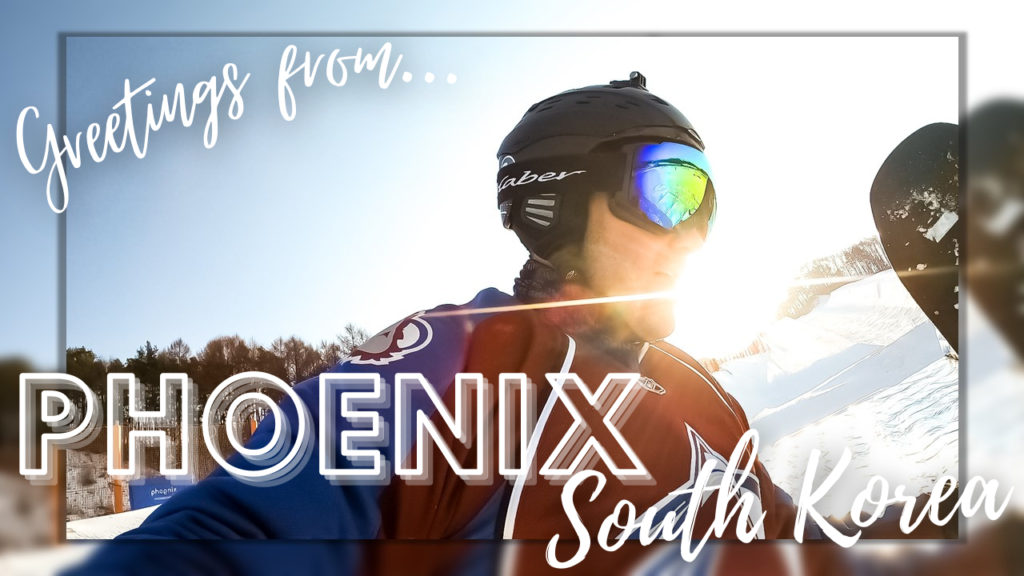
If you want an exciting introduction to snowboarding in South Korea, start at Phoenix Pyeongchang. This resort delivers the most promising terrain for any all-around snowboarder looking for a great experience. Located in Gangwon Province, Phoenix gained global recognition during the 2018 Winter Olympics. Located only 1 hour and 45 minutes from Osan by car and around 3.5 hours via KTX, this resort is perfect for a day trip on a short weekend.
I visited Phoenix the most due to their amazing terrain park. In fact, Phoenix built its reputation on freestyle riding. The terrain park layout flows naturally from top to bottom where small features lead into medium jumps that progress into larger kickers. Riders can build confidence step by step just like I did (though I was never that good at any one of them). My favorite feature was the inflatable crash pad landing. This pad sits right up against a small kicker to allow riders an attempt at jumping without harsh consequences. Be sure to try it at least once!
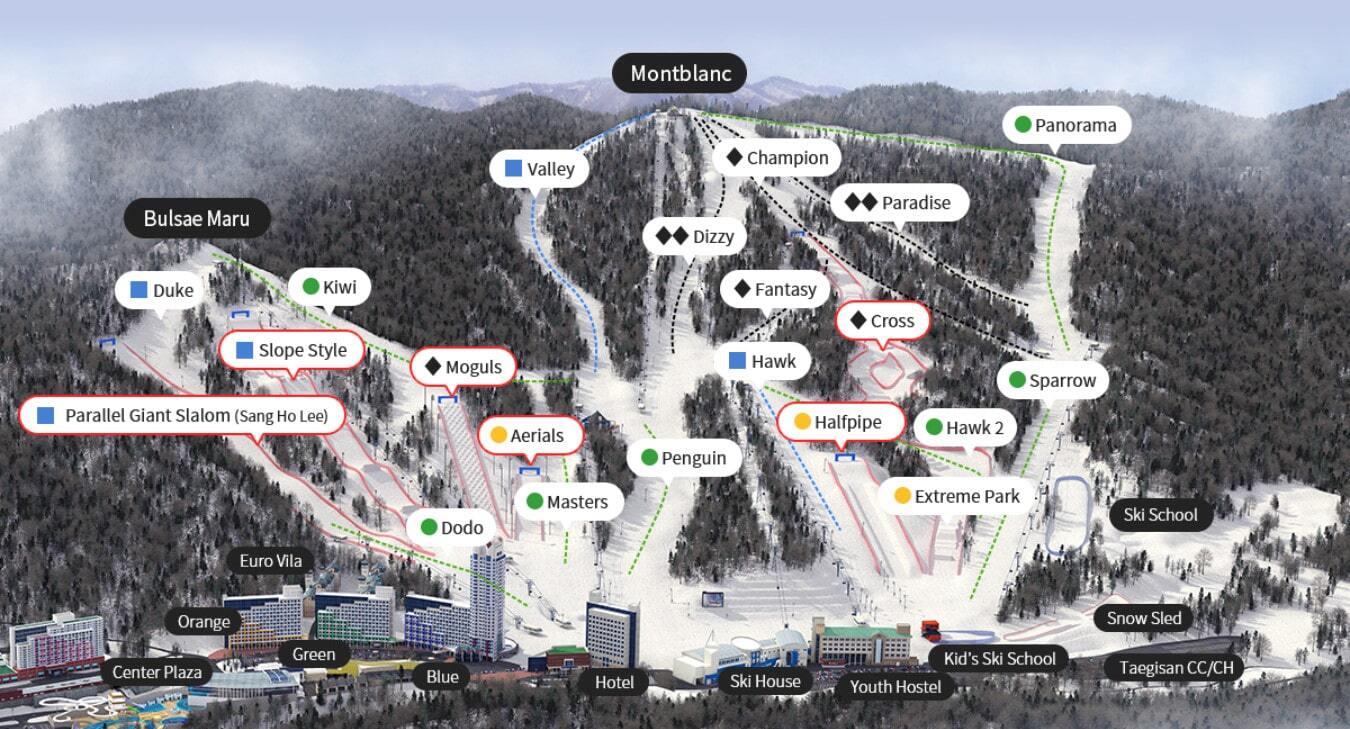
Although the terrain park dominates attention, Phoenix offers more than freestyle terrain. WIth wide, groomed runs, you’ll be able to do some seriously smooth carving at good speeds. A handful of steeper sections also challenges your edge control and stamina. Plus, the lift lines move quickly to keep your day efficient.
At Phoenix, though I never tried it, night riding adds another layer of appeal. Bright lights illuminate both the main runs and the park features. Imagine landing tricks under stadium lighting; an entirely different energy!
Phoenix works exceptionally well as your first stop for snowboarding in South Korea. The resort blends progression, accessibility, and atmosphere for riders of all experience levels. Solo travelers can navigate it easily, and us military members can plan quick weekend trips without complex logistics. If you want a mountain that builds confidence while still delivering excitement, Phoenix belongs at the top of your list.
Yongpyong Snow Resort: The Heart of Snowboarding in South Korea
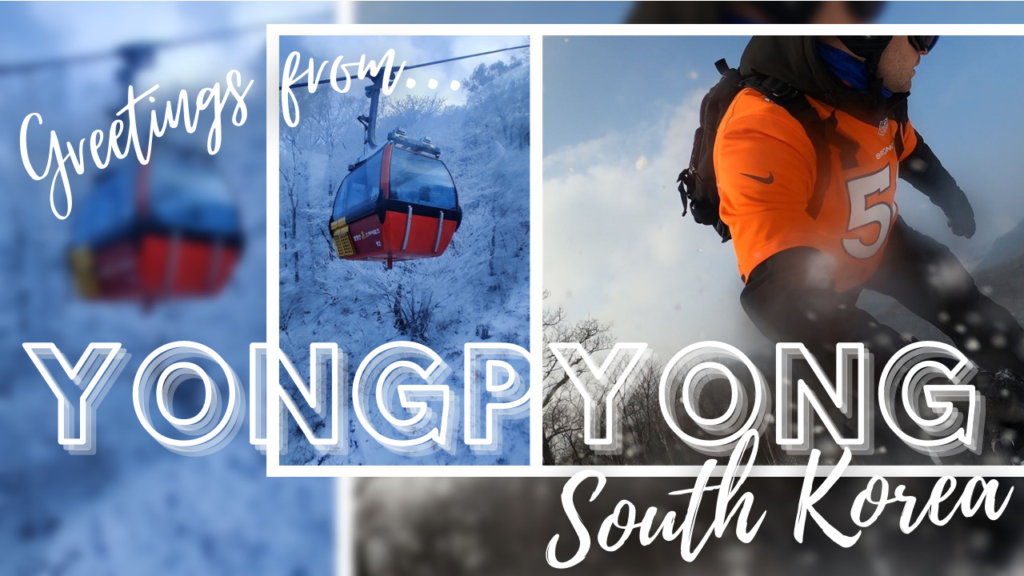
In search of a resort that allows you to spread out? Then Yongpyong is the resort for you. Being Korea’s largest ski resort, Yongpyong boasts the largest number of slopes, the longest runs, and relatively short lift lines. I remember spending many Saturdays here and waited maybe 5 minutes in a lift line. You won’t find that in the States!
This mountain feels expansive the moment you arrive. Wide slopes stretch across the landscape, framed by quiet forests and long ridgelines. What impressed me the most was the organization and efficiency at the base of the resort. The lift lines move fast, and the signage stays clear, so even on the busy weekends you’ll find this resort flowing well.
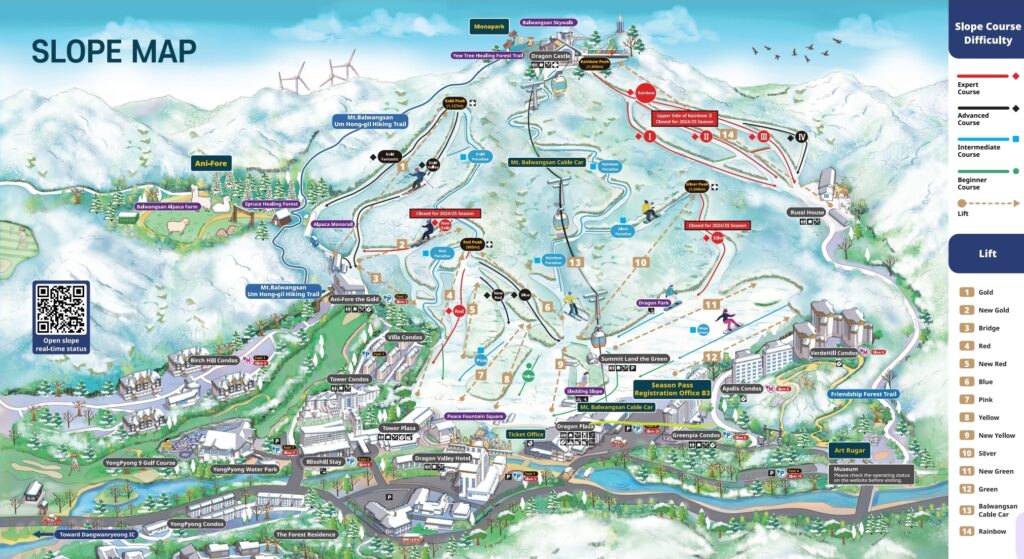
Quick facts:
- Why go: It’s Korea’s largest (i.e., most spread out) mountain
- Rental gear available: Everything from ski pants/jackets to boards and bindings or skis and poles
- Distance from Osan: 2hr 40min (208km) by car, 3hrs by public transportation
- Number of runs: 28
- Number of lifts: 14
- Terrain park: yes, and it’s for all ages
- Halfpipe
- Small, medium, and large rails/boxes
- Medium, large, and extra-large jumps
- Longest run: ~8 minutes if gently carving down Rainbow Paradise Run
- Types of terrain: greens (i.e., easiest) through double-black diamonds (i.e., hardest)
- Gondola to the top: yes (you may buy a day-pass for just the gondola if you wish)
- Cost for a day pass: $68 (no military discount offered)
- Lodging on-site: numerous hotels at the base of the resort
- Parking: free; within a 5 minute walk to the ticket office
Yongpyong offers terrain for every skill level, but intermediate riders will likely benefit most. Long groomers dominate this mountain, which is rare in South Korea. Several runs will feel endless, especially if you’re riding from Dragon Peak. So settle into your rhythm and ride without interruption!
Advanced riders can still find challenges through steeper pitches on the upper sections. And while a park scene exists, Yongpyong focuses more on all-mountain riding than freestyle culture.
Why choose Yongpyong
Yongpyong represents the most balanced introduction to snowboarding South Korea. It combines scale, reliability, and accessibility. Riders can push themselves without feeling overwhelmed. Beginners grow confident here. Experienced riders appreciate the flow.
If you only choose one resort during your trip, Yongpyong makes a strong case. It captures what makes snowboarding in South Korea special without distractions. Plus, the many slopeside hotels let you ride straight from breakfast to the lift, simplifying everything!
High1 Resort: Fast Laps and Family Fun for Snowboarding South Korea
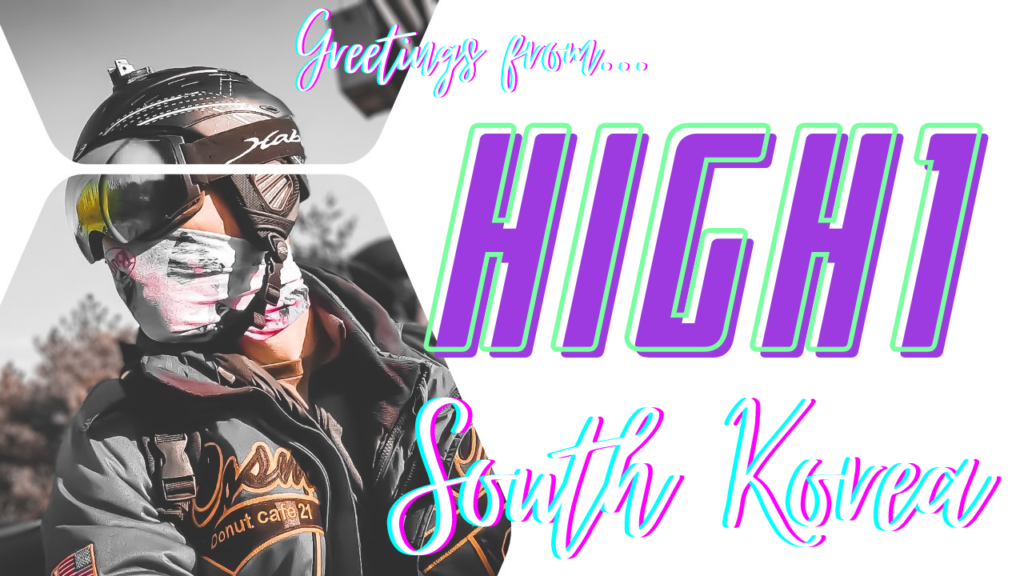
Quick facts:
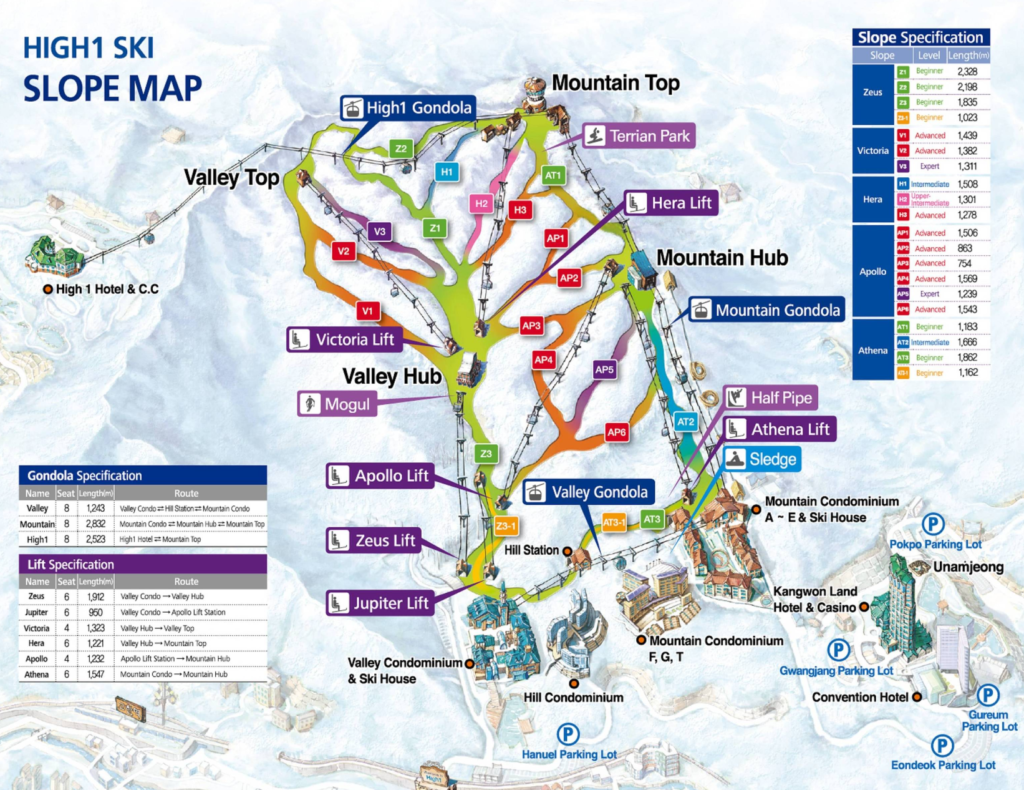
- Why go: It’s got something for everyone, and has the most powder days of all the resorts in Korea
- Rental gear available: Everything from ski pants/jackets to boards and bindings or skis and poles
- Distance from Osan: 2hr 35min (203km) by car, 4hrs by public transportation
- Number of runs: 26
- Number of lifts: 6 (and 4 gondolas!)
- Terrain park: yes, it’s for all ages, but it doesn’t compare to Phoenix Park
- Halfpipe
- Small and medium, rails/boxes
- Small and medium jumps
- Longest run: ~5 minutes if gently carving down from the mountain top to the base
- Types of terrain: greens (i.e., easiest) through double-black diamonds (i.e. hardest)
- Gondola to the top: yes (you may buy a day-pass for just the gondola if you wish)
- Cost for a day pass: $65 (after obtaining a coupon offered inside at customer service first, just ask and they’ll give you one!)
- Lodging on-site: numerous hotels at the base of the resort
- Parking: free; a free shuttle will then take you to the ticket office area
If you are researching where to go snowboarding in South Korea, High1 deserves a serious look. This resort blends smooth groomers, steeper black runs, and family-friendly attractions into one easy experience. Riders of every level can find something here. Families can go tubing while more advanced boarders can chase some vertical descents. This balance makes High1 one of the most approachable options for snowboarding in South Korea.
High1 was the first resort I visited after moving overseas. Because of that, it set the tone for what I expected from snowboarding South Korea. The biggest surprise was the lift lines being almost nonexistent, even on a Saturday!
Fast Laps and Empty Lift Lines
I bought a half-day ticket expecting crowds and slow rotations, much like anywhere in the Rockies. Instead, I lapped the mountain again and again with barely any waiting! The chairs kept spinning, so I just kept riding.
Translation: more laps mean more progression. More laps also means more value for your money, so if you want to maximize time on snow while snowboarding South Korea, High1 will give you that opportunity.
Why High1 Stands Out
High1 combines three things that matter: minimal lift lines, good terrain variety, and family options. Those features make it ideal for riders who want to maximize their day on the mountain.
So, if your goal is to rack up runs, avoid crowds, and keep everyone entertained, High1 will check those boxes. Watch my review video if you want a deeper breakdown before planning your own trip!
In summary…
When deciding where to go snowboarding in South Korea, it really comes down to how far you’re willing to drive, and your riding style. Some resorts cater to progression while others shine for families. Meanwhile, a few offer a balanced introduction to snowboarding if you simply want to get on the mountain.
- If you want to learn terrain park skills or dial in new tricks, head to Phoenix.
- If you have a family and need options beyond the slopes, choose High1.
- If you want the largest footprint and a classic winter experience, start at Yongpyong.
No matter which resort you choose, each one will keep you entertained at half the price of a day pass in North America.
My philosophy on snowboarding (i.e. why do I do it?)
Snowboarding has never been about chasing speed or showing off in the lift line. I don’t ride to set records, and I rarely care about après-ski culture (unless I’m riding in Europe). While tricks and steep runs can be exciting, they aren’t what pull me back to the mountain each season.
What keeps me coming back to riding any mountain is the way it immerses me in winter landscapes. Hiking allows me to move slowly through forests, climbing steadily into the clouds and noticing every detail along the trail. I can savor each step, each breath of fresh air, and the quiet rhythm of my boots against the dirt.
On the other hand, snowboarding offers a completely different pace and vibe. Instead of inching uphill, I carve downhill through tree-lined runs with purpose and flow. The forest no longer unfolds slowly around me, but rushes past in a blur of white and green as gravity takes over and sharpens my focus.
Both experiences center on the same mountains and forests, yet they feel entirely different. One teaches patience and endurance, the other demands balance and rhythm. That contrast is exactly why I continue snowboarding every winter, eager to experience familiar terrain from a new and exhilarating perspective.